CERAMIC TECHNOLOGY
Why inorganic membranes are the superior choice for demanding industrial applications.
THE CERAMIC ADVANTAGE
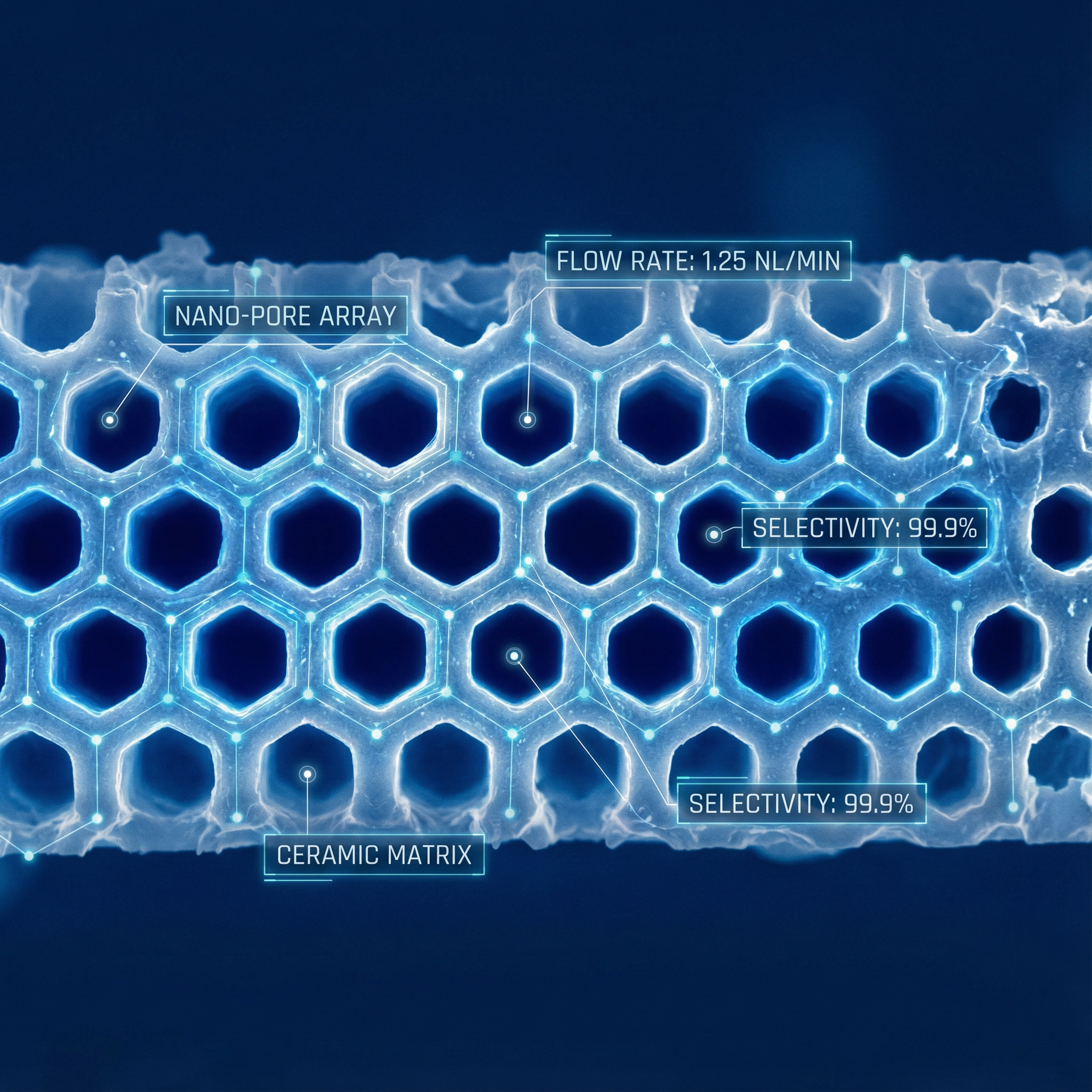
Unlike polymeric membranes which degrade under harsh conditions, ceramic membranes are sintered at high temperatures to create a robust, inert structure capable of withstanding extreme environments.
Chemical Stability
Resistant to acids, bases, oxidants, and organic solvents. Can be cleaned aggressively with high concentrations of chlorine or caustic soda to restore flux.
Thermal Resistance
Operate at temperatures up to 350°C (UF) or 150°C (NF), allowing for direct filtration of hot process streams without cooling.
Mechanical Strength
High burst pressure resistance. No fiber breakage issues common with hollow fiber polymeric membranes. Long operational lifespan of 10+ years.
CERAMIC VS. POLYMERIC
A direct comparison of material properties and operational capabilities.
| Feature | Ceramic Membrane | Polymeric Membrane |
|---|---|---|
| Lifespan | > 10 Years | 3 - 5 Years |
| pH Tolerance | 0 - 14 | 2 - 11 (typically) |
| Max Temperature | Up to 350°C | < 60°C |
| Chlorine Tolerance | Unlimited | Limited / None |
| Solvent Resistance | Excellent | Poor |
| Flux Rate | High (Hydrophilic) | Moderate |
PRECISION MANUFACTURING
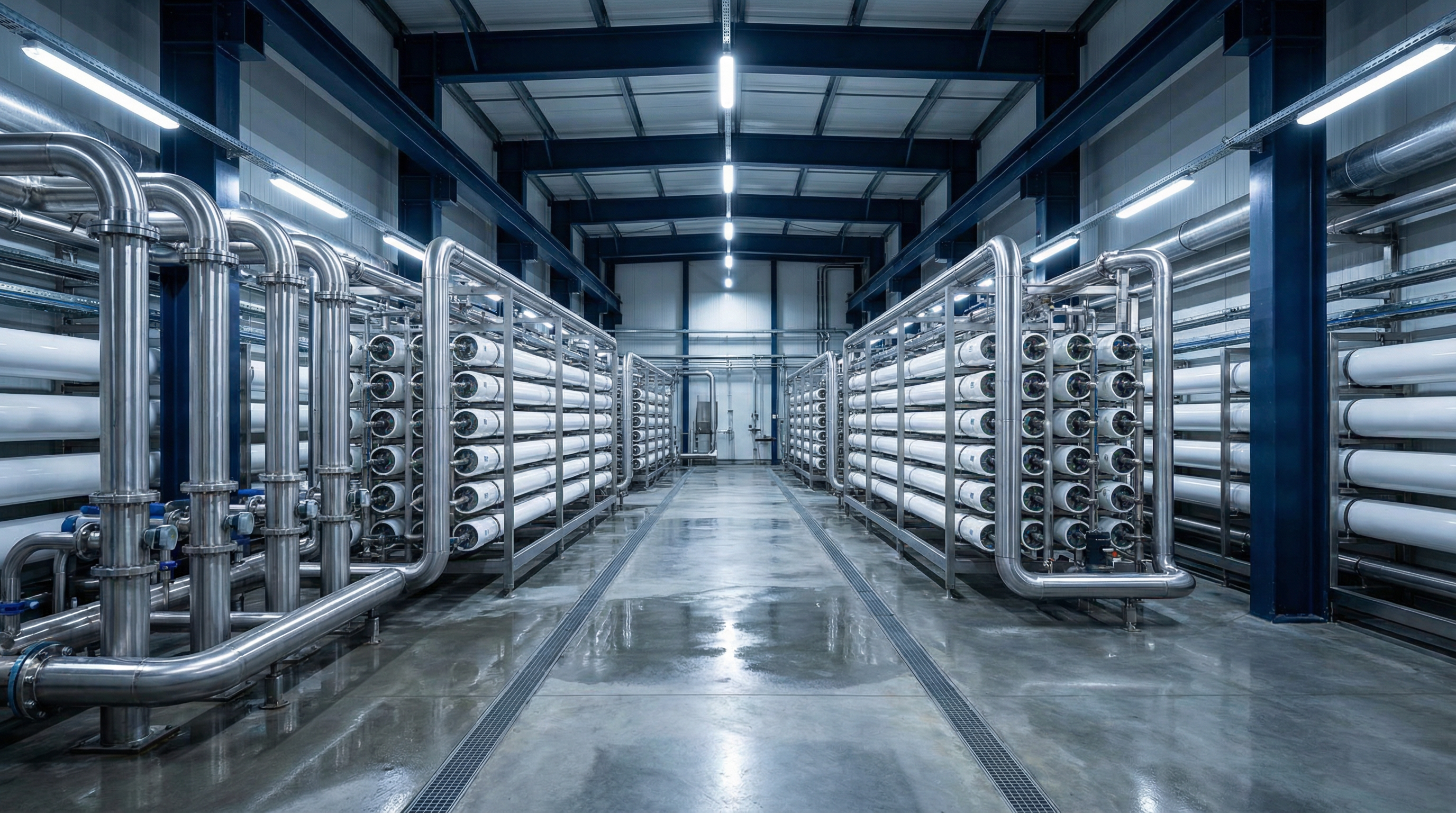
Our membranes are manufactured using advanced extrusion and sintering processes. The multi-layer structure consists of a porous support, intermediate layers, and a fine active layer, ensuring high permeability with precise selectivity.
- 1High-purity raw material preparation
- 2Precision extrusion of multi-channel tubes
- 3High-temperature sintering (>1400°C)
- 4Coating of active filtration layers